Raw Rice Exporter in India: Why Aarush Food Grain Pvt. Ltd. Is a Name Buyers Trust
India ships more rice abroad than any other country, and Haryana's rice belt sits right at the centre of that trade. Aarush Food Grain Pvt. Ltd., based in Taraori, District Karnal, has built its reputation there — as a raw rice manufacturer in India that buyers return to year after year, not just a one-off supplier. This piece looks at what actually goes into that reputation, from paddy sourcing to the container that leaves the port.
Why India Leads Global Raw Rice Trade
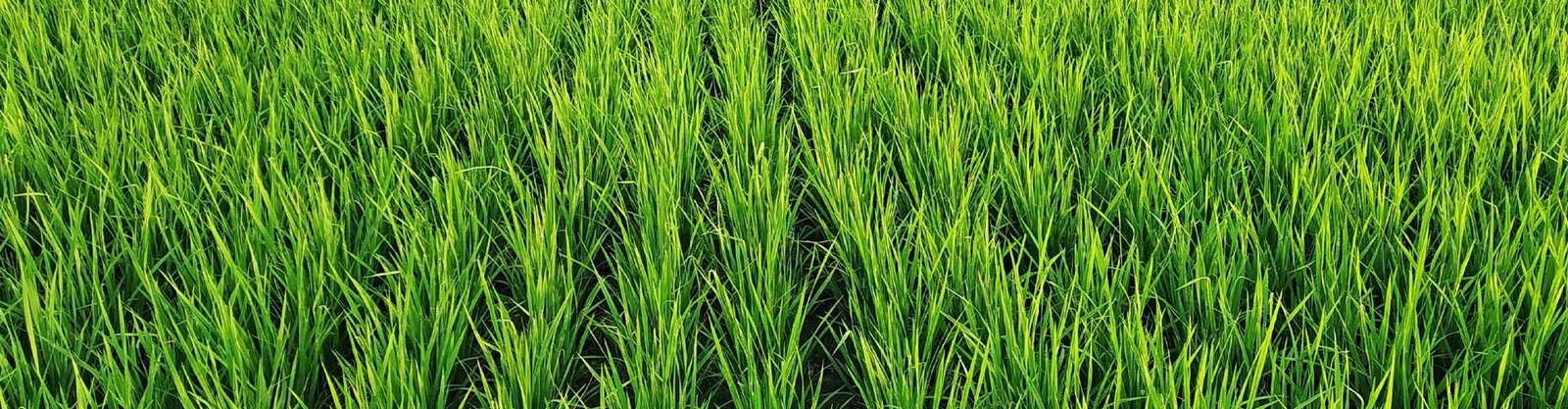
Basmati and non-basmati varieties from India end up on plates across the Middle East, Europe, Africa, and Southeast Asia. Buyers keep coming back for a few plain reasons: consistent grain length, dependable moisture content, and mills that can actually meet the volumes international contracts demand. Haryana's paddy belt, with its fertile soil and long-standing farming know-how, gives a raw rice exporter in India the raw material to work with in the first place. The rest comes down to what the mill does with it.
What Makes Aarush Food Grain a Trusted Raw Rice Manufacturer in India
Sourcing and Ageing
Paddy for Aarush Food Grain comes from farmers and mandis the company has worked with directly for years, not through anonymous middlemen. Once it arrives, it's aged in dedicated warehouses. Ageing sounds like a small step, but it changes the rice — grains firm up, cooking behaviour becomes more predictable, and the aroma that Basmati buyers pay for actually develops properly. Skip this step and you get rice that looks fine on paper and disappoints in the pot.
Cleaning, Polishing and Grading
After ageing, the rice goes through cleaning to strip out dust, stones, and husk fragments, then polishing for that smooth, even finish buyers expect on sight. Grading sorts grains by size and removes broken or discoloured kernels, which matters more than people outside the trade tend to realise — a single bad batch can sink a long-term contract. Aarush runs this on modern milling lines across its two processing units in Pakhana, which keeps output consistent even at export scale.
Basmati Rice Manufacturer in India: A Look at the Product Range
Aarush Food Grain doesn't sell one type of rice and call it a day. As a Basmati rice manufacturer in India, the company processes 1121, 1509, 1401, 1718, and Pusa Basmati, alongside non-Basmati staples like Sona Masoori, Sugandha, Sharbati, PR-11, Parmal, and IR-64. There's also a pesticide-residue-free range for buyers in markets with tighter import regulations — steam rice, sella rice, and golden rice processed to meet those stricter thresholds.
Traditional Basmati Rice Exporter in India
Traditional Basmati still holds a particular place with buyers who care about long-grain length, natural aroma, and the ageing that older Basmati varieties are known for. As a traditional Basmati rice exporter in India, Aarush keeps this line running alongside its higher-yield hybrid varieties, because the demand for it hasn't gone anywhere — if anything, buyers chasing authenticity ask for it by name.
Quality Standards and Certifications
None of this matters if it can't be verified. Aarush Food Grain holds certifications that back up its processing claims, and every batch goes through checks at procurement, milling, and packaging stages before it's cleared for shipment. For a raw rice exporter in India working with buyers who have their own import compliance to satisfy, that paper trail isn't optional — it's what gets a container through customs without a headache.
Why Global Buyers Choose Aarush Food Grain
Buyers who've worked with Aarush mention a few things repeatedly: rice that tastes and cooks the same batch after batch, deliveries that land when promised, and a sales team that answers questions instead of dodging them. Rajesh, a long-term importer, put it simply — the aroma and consistency of the Basmati kept him coming back. That's not marketing copy; it's the kind of thing that only holds up if the rice actually performs at the other end.
Conclusion
Choosing a raw rice exporter in India isn't just about price per tonne — it's about whether the mill can deliver the same quality on order fifty as it did on order one. Aarush Food Grain Pvt. Ltd. has built its process around exactly that: careful sourcing, proper ageing, strict grading, and certifications that hold up to scrutiny. Whether you're after Traditional Basmati, 1121, or a pesticide-residue-free line for a tighter market, the company's Taraori facility is set up to handle it. Reach out to the export team to discuss your requirements and get a sample sorted.
FAQs
Is Aarush Food Grain only a Basmati rice manufacturer in India?
No. Alongside its full Basmati range — 1121, 1509, 1401, 1718, Pusa, and Traditional — the company also processes non-Basmati varieties such as Sona Masoori, Sugandha, Sharbati, and IR-64, plus a pesticide-residue-free line.
What makes a raw rice exporter in India reliable for long-term contracts?
Consistency, mainly. That means the same grain quality across every shipment, proper documentation and certification, milling capacity that can handle export volumes, and a team that communicates clearly on timelines.
Where is Aarush Food Grain's processing facility located?
Both milling and processing units are based in Pakhana, Taraori, District Karnal, Haryana — a region well known for its paddy cultivation and rice trade.
Does Aarush Food Grain export pesticide-residue-free rice?
Yes. The company processes pesticide-residue-free steam rice, sella rice, and golden rice for buyers in markets with stricter import thresholds.
How can international buyers get in touch with Aarush Food Grain?
Buyers can contact the International Sales Head directly or write to export@aarushfood.com to discuss product samples, pricing, and shipment terms.