How Aarush Food Grain Became a Trusted 1121 Basmati Rice Exporter in India
Ask most rice buyers in the Gulf or Europe which Basmati variety they order most, and 1121 comes up almost immediately. It's the grain that stretches the furthest on cooking, holds its shape, and gives kitchens the visual length they want on the plate. Aarush Food Grain Pvt. Ltd., milling from Taraori in District Karnal, Haryana, has spent years supplying it consistently — and consistency, more than anything else, is what keeps a 1121 Basmati rice exporter in India on a buyer's approved list.
Why 1121 Basmati Dominates Export Orders
1121 isn't the oldest Basmati variety, but it's become the most commercially important one. The grain is longer than most other types before cooking and extends even further afterwards, often past double its raw length. That's the physical trait buyers are actually paying for — restaurants and bulk importers want plates that look full, and 1121 delivers that reliably in a way older varieties sometimes can't match at scale. Add in a decent yield for millers, and it's easy to see why so much of India's Basmati export volume runs through this one variety.
What Goes Into Export-Grade 1121 at Aarush Food Grain
Sourcing and Ageing the Grain
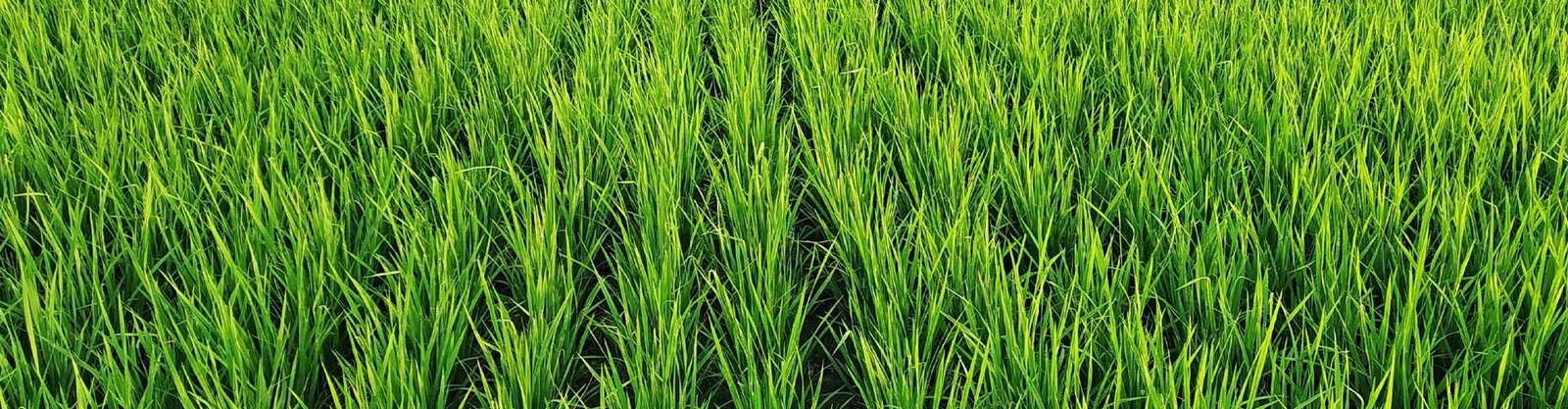
Paddy comes in from farmers and mandis the company has worked with over a long stretch, which keeps quality more predictable than buying on the open spot market. Once it arrives, the rice is aged in warehouse storage before milling. Ageing does a lot of quiet work here — it firms up the grain, improves how it elongates on cooking, and lets the aroma settle in properly. Rushing this step is one of the easiest ways for a mill to undercut its own product.
Milling, Polishing and Grading
After ageing, the paddy is milled, cleaned to remove husk and stone fragments, then polished to the smooth finish buyers expect. Grading separates by length and pulls out broken or discoloured grains before packing — a fairly unglamorous step, but the one that decides whether a shipment passes inspection at the other end or gets flagged. Aarush handles this across two processing units in Pakhana, which is what allows the company to fill both trial orders and full container loads without the quality dipping between them.
Basmati Rice Manufacturer in India: Where 1121 Sits in the Range
As a Basmati rice manufacturer in India, Aarush processes more than just 1121. The full line-up includes 1509, 1401, 1718, Pusa Basmati, and Traditional Basmati, giving buyers options depending on budget, grain preference, and market. 1121 tends to be the volume driver, but it's produced alongside these other varieties rather than instead of them, which means the company can put together mixed orders for buyers who need more than one grade in a single shipment.
Traditional Basmati Rice Exporter in India
Some buyers, particularly in markets that value the older grain character, still ask specifically for Traditional Basmati over 1121. As a traditional Basmati rice exporter in India, Aarush keeps this line running for that segment of demand — it's a smaller share of total output, but the company treats it as a genuine product line rather than something bolted on to satisfy occasional requests.
Quality Assurance and Certification
None of the above counts for much without paperwork to back it up. Aarush Food Grain holds certifications covering its milling and quality processes, and every batch is checked at procurement, processing, and pre-shipment stages. For international buyers navigating their own import regulations, that documentation trail is often what determines whether a container clears customs without delay.
Why Buyers Stick with Aarush for 1121 Basmati
Repeat orders are the real test, and Aarush's client feedback leans heavily on consistency — the same grain length, the same aroma, shipment after shipment — plus deliveries that arrive on schedule and a sales team that stays reachable after the contract is signed. Rajesh, a long-standing importer, has pointed specifically to the quality and aroma holding steady over years of orders. That's a harder thing to fake than a certificate.
Conclusion
Choosing a 1121 Basmati rice exporter in India comes down to whether the mill can reproduce the same grain quality on the fiftieth order as the first. Aarush Food Grain process — careful sourcing, proper ageing, strict grading, and certified quality control — is built around exactly that. Whether your order is straight 1121, a Traditional Basmati blend, or a mix across the range, the Taraori facility is set up to handle it. Contact the export team to request samples and discuss your shipment.
FAQs
What makes 1121 Basmati different from other varieties?
1121 is known for its extra-long grain, which extends significantly further on cooking than most other Basmati types. This visual length and cooking behaviour is a major reason it dominates export demand.
Does Aarush Food Grain export varieties other than 1121?
Yes. As a Basmati rice manufacturer in India, the company also processes 1509, 1401, 1718, Pusa Basmati, and Traditional Basmati, and can combine varieties in a single shipment.
Why would a buyer choose Traditional Basmati over 1121?
Traditional Basmati has a different, more aged grain character that some markets specifically prefer, even though 1121 offers better yield and grain length for bulk orders.
How does Aarush Food Grain ensure consistent 1121 quality across shipments?
Through direct paddy sourcing, warehouse ageing, and quality checks at procurement, milling, and pre-shipment stages, backed by certifications that cover the full process.
How can international buyers place an order for 1121 Basmati?
Buyers can contact the International Sales Head or email export@aarushfood.com to request samples, confirm pricing, and arrange shipment terms.